Virtual Reality in Interior Design
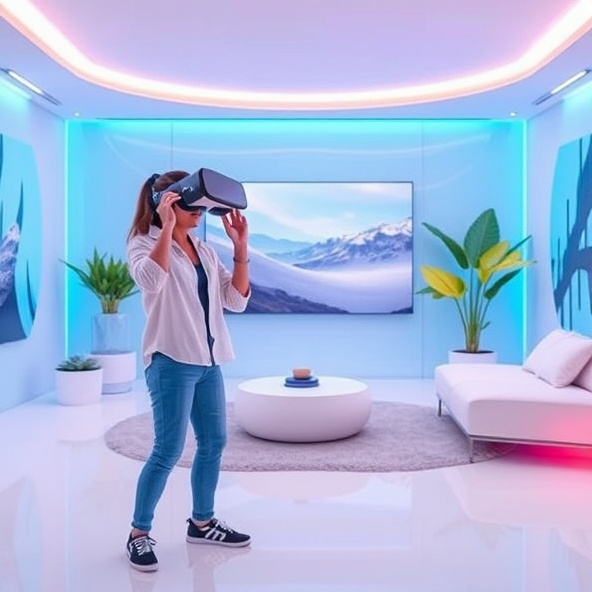
How VR technology transforms client experiences in design.
Virtual Reality (VR) is rapidly transforming the landscape of interior design, offering immersive experiences that enhance client interactions and decision-making processes. This cutting-edge technology enables designers to create realistic 3D models of spaces, allowing clients to walk through their potential environments before any physical work begins. Such immersion helps clients visualize designs in a way that traditional sketches or renderings cannot match, leading to more informed choices and increased satisfaction. One of the most significant advantages of VR in interior design is its ability to showcase spatial relationships and scale accurately. Clients can experience the flow of spaces, understand proportions, and assess how various elements work together. This level of engagement fosters collaboration between designers and clients, as feedback can be immediate, facilitating quicker adjustments and refinements. Furthermore, VR can enhance marketing efforts for design firms. By offering virtual tours of completed projects or showcasing different design styles, firms can attract a wider audience. Prospective clients can explore various options from the comfort of their own homes, breaking geographical barriers and expanding reach. In addition, VR technology allows for real-time alterations during presentations. If a client prefers a different color scheme or layout, designers can modify the virtual model on the spot, demonstrating the changes instantly. This responsiveness not only improves communication but also builds trust between designers and clients. However, implementing VR technology requires investment in equipment and software, which can be a barrier for some firms. Nevertheless, as technology becomes more accessible, the benefits of integrating VR into the design process are undeniable. It sets firms apart in a competitive market and elevates the overall client experience. In conclusion, Virtual Reality is revolutionizing interior design by enhancing visualization, improving collaboration, and streamlining the decision-making process. Embracing this technology is essential for modern design firms aiming to provide exceptional service and stay ahead in an evolving industry.