3D Printing in Furniture Design
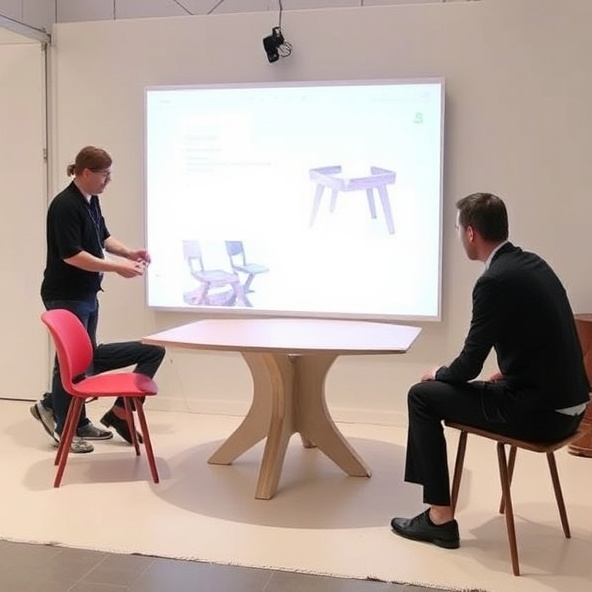
Exploring the impact of 3D printing on furniture innovation.
3D printing is reshaping the furniture design industry, enabling unprecedented levels of customization and innovation. This technology allows designers to create complex shapes and structures that traditional manufacturing methods cannot achieve, opening up new possibilities for creativity. With 3D printing, designers can produce unique pieces tailored to individual tastes and needs, significantly enhancing personalization in furniture design. One of the most significant benefits of 3D printing is its efficiency. Designers can quickly prototype ideas, test concepts, and make modifications without incurring high costs or long lead times associated with conventional manufacturing. This rapid iteration process encourages experimentation, leading to innovative designs that might not have been feasible otherwise. Moreover, 3D printing reduces material waste, as objects are built layer by layer, utilizing only the necessary amount of material. This aspect aligns with the growing demand for sustainable practices in design. Many companies are now exploring biodegradable or recycled materials for their 3D printing processes, further enhancing their eco-friendly credentials. The customization capabilities of 3D printing extend to functionality as well. Designers can create multifunctional furniture that adapts to various uses, catering to small spaces or specific user requirements. This adaptability is particularly appealing in urban environments where space is often limited. However, despite its advantages, 3D printing in furniture design faces challenges. The technology requires specialized knowledge, and the initial investment in high-quality printers can be considerable. Nevertheless, as the technology evolves and becomes more accessible, it is poised to revolutionize the way furniture is designed and produced. In conclusion, 3D printing is a game-changer in the furniture design industry. Its ability to foster creativity, streamline production, and promote sustainability makes it an essential tool for modern designers looking to innovate and meet the evolving demands of consumers.